
I’ve accessed more casino lobbies than most players will see in a lifetime, and I can tell you one thing for sure: the software platform is the backbone of every experience. It decides how fast games load, how clean the interface feels, and whether you’ll ever have to chase a stuck withdrawal. At Luck Casino, I spotted the difference within minutes — the kind of polish that comes from deliberate tech choices, not luck. Here’s what I watch for to separate a genuinely great platform from the rest, so you can spot quality before you place a bet.
The Architecture of Trust: Protection and Authorization
A platform’s safety structure is the first thing I examine, because no amount of flashy promotions can make up for weak defense. Superior software is constructed with at least 128-bit SSL encryption as a baseline, so every data packet between your device and the casino server stays unreadable to outsiders. I also look for visible licensing seals from acknowledged authorities like the Malta Gaming Authority or Curacao eGaming. Luck Casino displays its credentials transparently, and the platform runs regular external audits to verify RNG integrity. This isn’t just compliance theatre; it’s the technical foundation that guarantees your funds and personal information stay protected.
Beyond data protection, the best platforms embed responsible gambling tools straight into the account panel https://luck-casino.eu/. Deposit limits, session reminders, and self-exclusion options should be available within three taps, not buried in a PDF. When I evaluated Luck Casino, I found these controls intuitively arranged and functional — exactly what ethical software design calls for. The underlying code also needs to segregate operational funds from player balances, a practice often verified by audit certificates you can click to confirm. Without this distinction, even a licensed casino becomes a counterparty risk, and great software architectures are designed to remove that concern completely.
Bonus Structures That Correspond To Player Interests
I follow a principle: ignore the initial amount and examine the bonus engine beneath. Superior software platforms permit operators to design welcome offers with clear, fair wagering conditions and clear game contribution percentages. find more information Luck Casino’s promotional terms are presented right on the offer page, revealing which games contribute 100% toward playthrough and which are not counted. I appreciate platforms that allow me to monitor wagering progress from the main navigation bar, as opposed to forcing me to contact support for a status update. That type of visibility stems directly from how the bonus engine is integrated into the user account system.
Just as crucial is how reload offers, cashback, and loyalty rewards are provided. The best platforms use automatic alerts and automatic crediting instead of awkward manual opt-ins that I may fail to notice. When I funded for the second time at Luck Casino, the system identified my activity and offered a relevant reload bonus with no extra steps. Software that customizes incentives based on gameplay patterns, without infringing upon privacy, delivers a layer of value that generic spam mailers never can. All this hinges on a back end that logs events in real time and executes rules consistently, so you never have to pursue a missing bonus.
A casino’s software platform is not merely code — it’s the entire environment that determines every spin, hand, and cashout you encounter. After examining the elements that elevate a platform from ordinary to outstanding, I can state that Luck Casino satisfies the boxes that count: solid security, a rich multi-provider game library, smooth mobile play, transparent payment systems, and a bonus framework that honors your time. My advice is to always see beyond the surface glitz and determine what engine is running underneath. That’s where the real value lies, and it’s what dictates whether your time and money are in safe, enjoyable hands.
Payment processing as a Differentiator
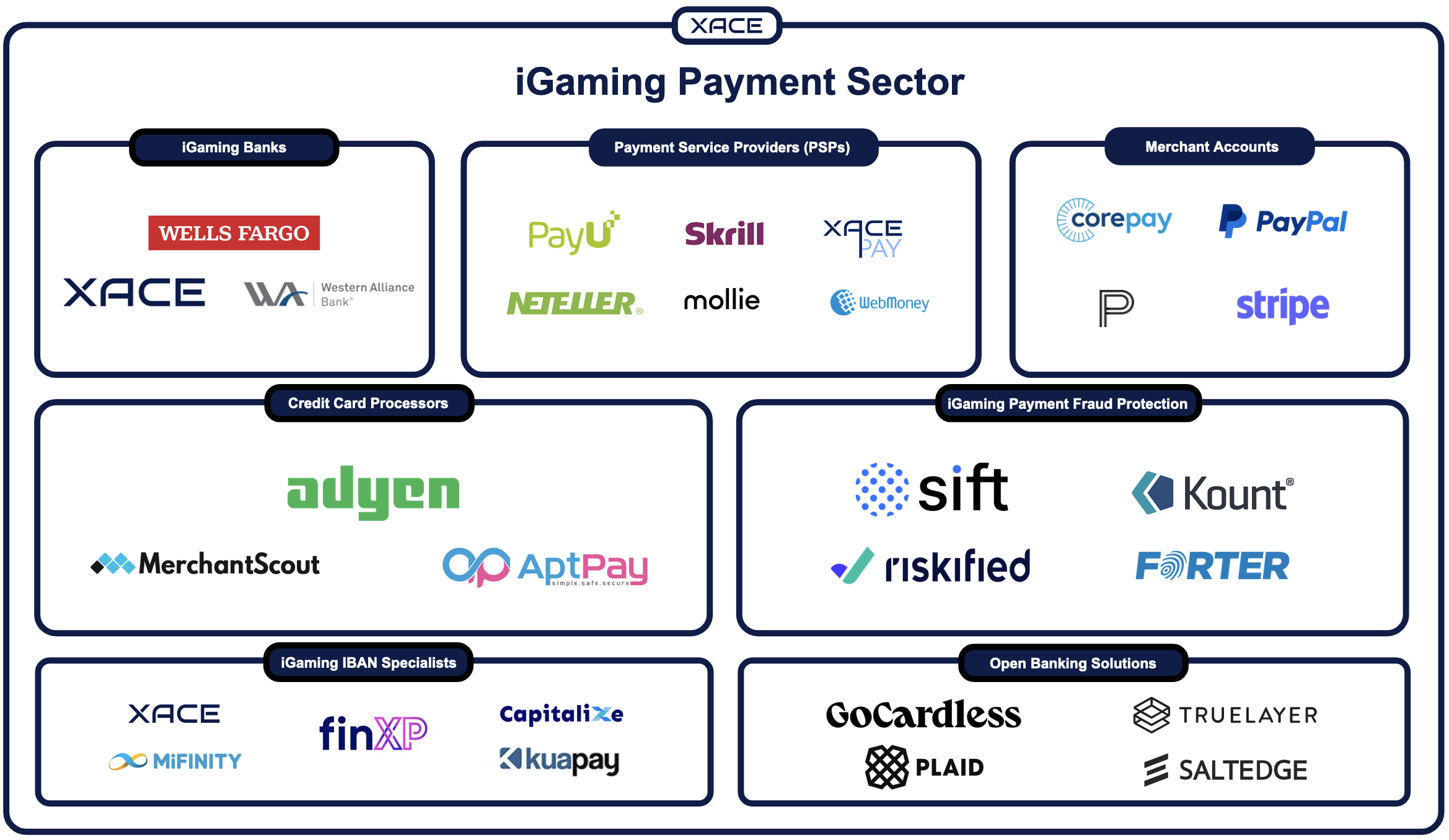
The ultimate test of any casino platform is its approach to your money when you request a withdrawal. I’ve seen gorgeous lobbies crumble on the cashier page with few options and unclear timelines. Great software includes a comprehensive payment system covering cards like Visa and Mastercard, e-wallets such as Skrill and Neteller, bank transfers, and increasingly popular instant bank payment rails. Luck Casino’s cashier stood out with a clean interface showing exact deposit and withdrawal limits for each option, and the platform clearly labels any method that may have a charge. That’s a key sign of transparency I require.
Back-end automation also determines payout speed. When I initiated a payout via an e-wallet, the system authenticated me through an built-in verification process that didn’t need back-and-forth emails. The best platforms use AI-powered document scanning to shorten verification periods, converting what can be a 72-hour wait into a same-day processing in many cases. This is a consequence of software engineering that links payment processors, compliance checks, and fraud detection into a unified system. Players should always check the platform’s declared waiting times and whether weekend processing is offered; top-tier software makes those timeframes dependable, not aspirational.
Mobile Responsiveness and Cross-Platform Performance
I rarely touch a desktop to gamble these days, so mobile performance is one of my strictest evaluation points. A great software platform is built HTML5-first, meaning every game adapts to screen size without a separate app download. Luck Casino’s browser-based mobile experience maintained button placement and load speed without a hitch when I rotated from portrait to landscape. The worst platforms force you to pinch and zoom because they’re still running legacy Flash components; the best ones treat mobile as the primary interface, not an afterthought.

I also evaluate consistency across devices. I opened the same live roulette stream on a two-year-old Android phone, an iPad, and a Windows laptop, all within sixty seconds. The stream quality and betting interface synced in real time with no visual downgrade on any screen. That’s a demanding technical requirement involving adaptive bitrate streaming and touch-optimized UI elements. When the software gets this right, it’s not just about convenience — it means I can trust the platform to work when I’m away from my desk, with no compromise on the immersion that makes live games captivating.
Game Aggregation and Provider Networks
What distinguishes a premium platform from a minimal operation is how it acquires and provides its game library. I don’t just count the number of slots; I verify whether the aggregator sources from fifteen or more different studios, including leaders like NetEnt, Pragmatic Play, and Evolution for live dealer tables. Luck Casino’s lobby reflects a multi-provider strategy, which means I can jump from a high-volatility Megaways slot to a classic blackjack table without changing platforms. Great aggregations also ensure game rules, RTPs, and volatility metrics are displayed transparently before you open a game, helping you to make educated decisions.
Too many casinos stock their lobby with clones and skin variants, boosting numbers without providing value. I always look for diversity in table games and specialty games: baccarat, craps, video poker variants, and live game shows. The software’s search and filter functions must work intelligently, enabling me to sort by provider, feature, or volatility. Luck Casino’s filtering tools let me isolate jackpot slots or new releases with a tap, and game demos load in under eight seconds even on mid-range devices. That sort of back-end efficiency doesn’t happen by chance; it stems from strong API integration and content delivery networks designed for gaming traffic.
- Digital slots with multiple math models
- Live casino tables with expert hosts
- Standard table games including roulette, blackjack, and baccarat
- Progressive pools with unified funds
- Scratch cards and virtual sports
FAQ
How can I tell if a casino platform is secure?
Look for a valid SSL certificate indicated by a padlock icon in your browser, along with a published privacy policy explaining data handling. Legitimní platformy zobrazují licenční údaje v zápatí, často s rychlými odkazy na oficiální rejstřík regulátora. Také kontroluji certifikace od nezávislých testovacích laboratoří jako eCOGRA nebo iTech Labs, které potvrzují férovost RNG, a které dobří poskytovatelé softwaru snadno zpřístupňují.
Why do some casinos lag on mobile while others feel native?
It comes down to whether the platform was built with responsive HTML5 design from the ground up or retrofitted later. Kvalitní mobilní kasina využívají adaptivní streamování pro hry s živými dealery, dotykově optimalizovaná tlačítka a minimální požadavky na výkon, aby dobře fungovala i na starších telefonech. Poorly optimised platforms rely on heavy scripts that cause stuttering and delayed in-game actions, which quickly ruins the session.
What payment methods should a top-tier platform support?
I expect at least credit/debit cards, a handful of major e-wallets like Skrill or Neteller, and direct bank transfer options. Řada platforem dnes nabízí také okamžité bankovní platby a dokonce i některé kryptoměny. Důležitější je, že podporované metody musí ukazovat realistické časy zpracování. Výplaty z e-peněženek do 24 hodin jsou silným znakem toho, že platební infrastruktura platformy je moderní a automatizovaná.
Does game variety really indicate a better platform?
Ano, ale pouze pokud rozmanitost pochází z více kvalitních studií, nikoli z překreslených duplikátů. Lobby nabízející automaty od Pragmatic Play, stolní hry od Evolution a jackpoty od NetEnt signalizuje, že platforma vyjednala různorodé dohody s agregátory. This typically correlates with better technical performance, regular content updates, and a wider range of RTP and volatility options, giving you genuine choice instead of filler.