
The Allure of Casino Gambling
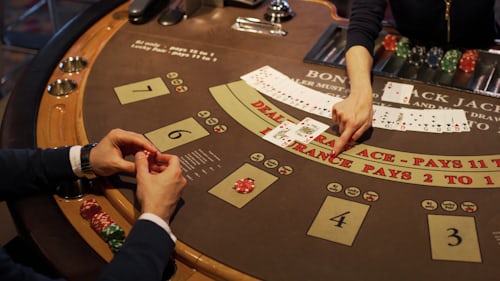
The thrill of casino gambling is deeply rooted in psychological factors that draw players into the vibrant world of chance and luck. For many, the excitement stems from the potential of winning big, which triggers the brain’s reward system. This response can lead to a dopamine rush, enhancing the enjoyment of gameplay and creating a desire for more experiences. Understanding this allure can explain why individuals are willing to risk their money in the hope of striking it rich. If you’re interested in improving your gambling knowledge, you can find out more here.
Moreover, the atmosphere of casinos plays a significant role in shaping player behavior. The use of bright lights, enticing sounds, and attractive game layouts fosters a stimulating environment that keeps players engaged. This sensory overload can lead to a temporary escape from reality, making it increasingly difficult for individuals to recognize when they should stop gambling.
Cognitive biases significantly influence decision-making in gambling contexts. Players often fall victim to the gambler’s fallacy, believing that past outcomes will affect future ones. For instance, a player may think that a particular slot machine is “due” for a payout after a series of losses. This misconception can lead to extended play, as they chase after a perceived inevitability of a win.
Additionally, confirmation bias can also play a pivotal role. Gamblers tend to focus on their wins while downplaying their losses, creating a distorted perception of their overall success. This bias reinforces the belief that they have control over an inherently random game, often resulting in further gambling attempts despite negative outcomes.
Many gamblers employ strategies in an attempt to optimize their chances of winning. These strategies can range from betting systems, such as Martingale or Fibonacci, to skill-based approaches in games like poker. The psychological underpinning of these strategies often lies in the desire for control and predictability in an unpredictable environment.
It is interesting to note that even when these strategies are statistically flawed, the mere act of having a plan can boost a gambler’s confidence. This increase in self-efficacy can enhance their gambling experience, allowing them to enjoy the game more despite the randomness inherent in outcomes. Thus, the psychology of strategy formation reveals a fascinating blend of logic and emotion in the gambling experience.
Emotions play a critical role in the choices gamblers make. Positive emotions, such as excitement and joy from wins, can lead to continued gambling, while negative feelings like frustration or sadness can result in chasing losses. This emotional cycle often traps players in a loop of gambling, as they seek to replicate positive experiences and escape from their negative ones.
Furthermore, the impact of social interactions in gambling settings cannot be underestimated. Many gamblers thrive in social environments where camaraderie and shared experiences enhance the enjoyment of the activity. This social aspect can amplify emotional responses, leading individuals to gamble more than they initially intended due to peer influences and group dynamics.
As you delve into the complexities of casino gambling strategies and their psychological implications, finding the right platforms to enhance your experience is essential. Our website offers an extensive guide to discovering the best betting sites, ensuring you can make informed decisions tailored to your preferences.
Whether you’re a novice or an experienced gambler, our expert insights and detailed reviews are designed to enrich your betting journey. Join us in navigating the world of online gambling, where secure transactions and reliable platforms await you.